Ever since the original Assassin’s Creed released in 2007, Ubisoft’s historical action-adventure franchise has remained one of the biggest names in gaming. Built around the eternal conflict between the Brotherhood of Assassins and the Templars, the series quickly gained a reputation for blending real-world history with science-fiction conspiracies, parkour traversal, stealth gameplay, and cinematic storytelling. Over the years, players travelled across the Holy Land during the Third Crusade, Renaissance Italy, Constantinople, and even Colonial America. However, by the time Assassin’s Creed III released in 2012, franchise fatigue had already begun setting in.
Although Assassin’s Creed III (2012) performed well commercially, many players felt disappointed by its pacing, protagonist and overextended modern-day storyline. Ubisoft suddenly found themselves in an unusual position. The franchise was still massively successful, but excitement surrounding it had begun fading. Fortunately, the developer had accidentally stumbled across something special during the third major instalment’s development: naval combat. What started as nothing more than a side activity would eventually evolve into one of Ubisoft’s greatest successes with “Black Flag”.

When Assassin’s Creed IV: Black Flag was officially revealed in 2013, reactions were initially mixed. Some fans questioned why Ubisoft would focus so heavily on pirates instead of the Assassins themselves, while others were simply concerned that the yearly release cycle would finally catch up with the franchise. Fortunately, Assassin’s Creed IV: Black Flag quickly proved itself to be far more than “another Assassin’s Creed game”.
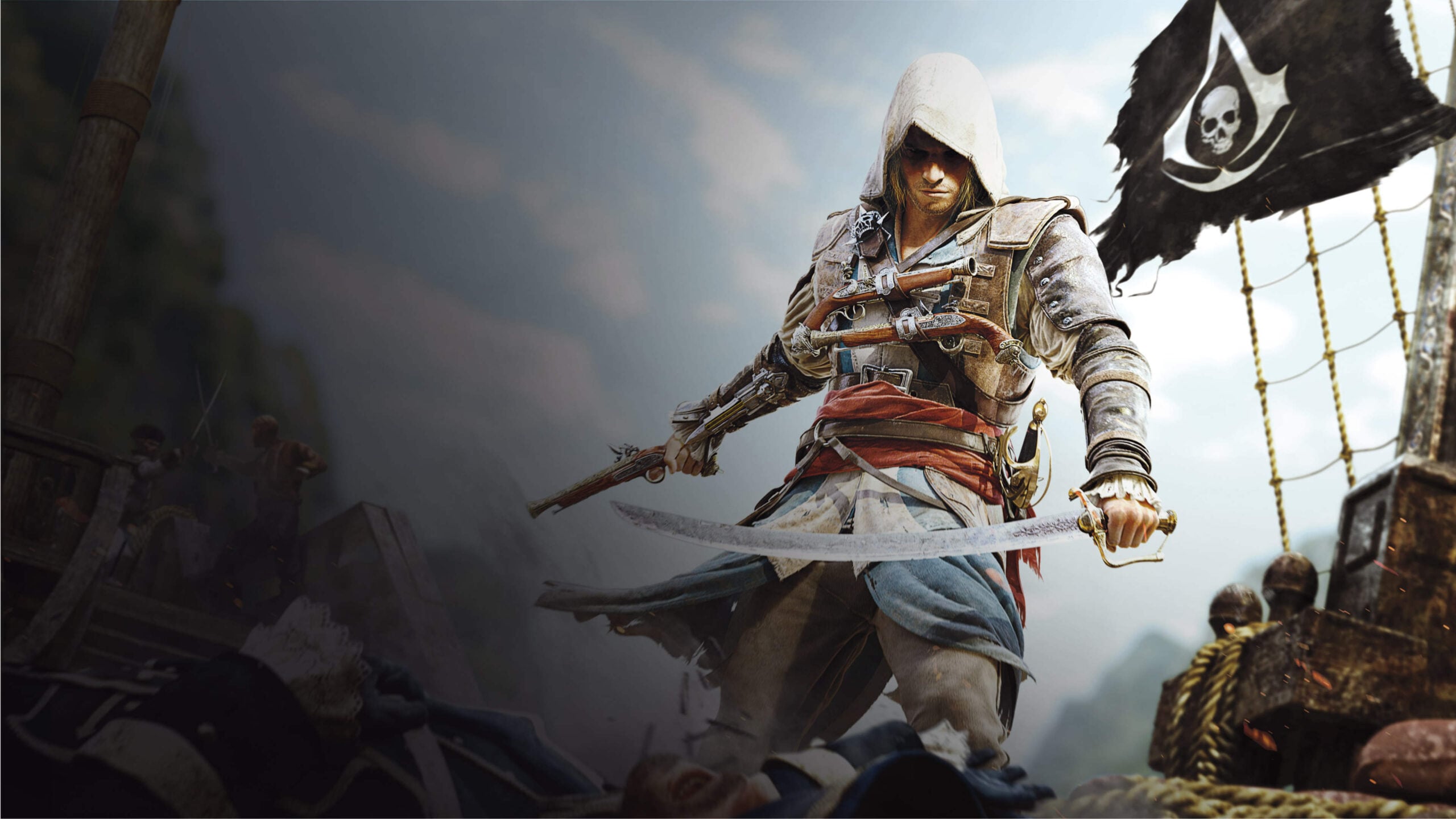
Set during the Golden Age of Piracy in the Caribbean, Black Flag introduced players to Edward Kenway — a Welsh privateer who accidentally becomes entangled in the war between Assassins and Templars. Unlike previous protagonists such as Ezio Auditore or Edward’s own grand child, Connor Kenway, Edward was not driven by honour, revenge or destiny. Instead, he was selfish, reckless, greedy and obsessed with freedom and fortune. Ironically, those very traits made him one of the franchise’s most iconic protagonists and one of the publisher’s most compelling reluctant heroes.
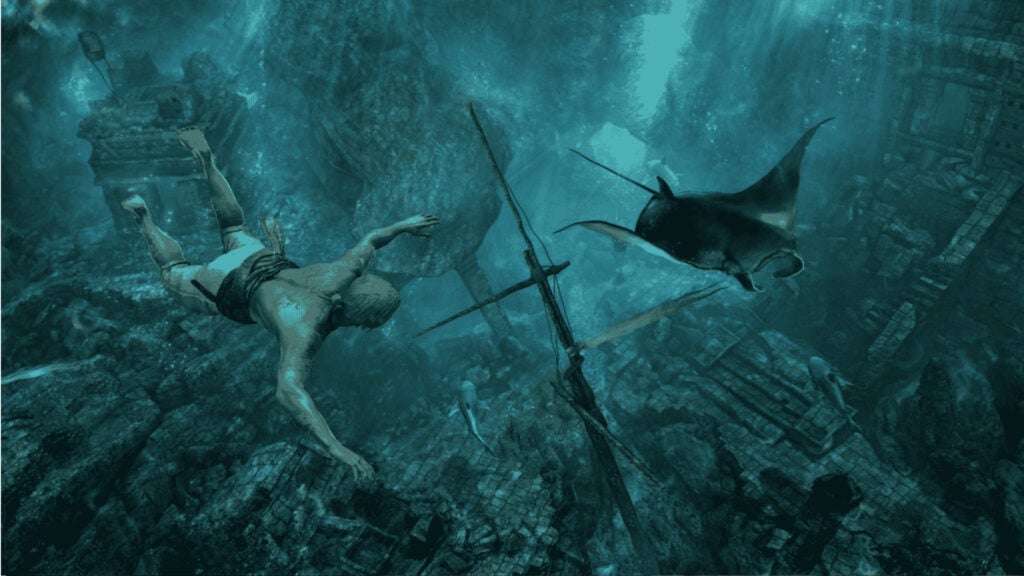
Black Flag’s greatest strength was how it fully committed to the pirate fantasy. While previous Assassin’s Creed titles focused heavily on cities and rooftop traversal, the fourth major instalment instead shifted much of the experience to open waters, a daring yet highly successful gamble for the franchise. Players captained the Jackdaw across the Caribbean, hunting ships, discovering islands, diving through underwater shipwrecks and engaging in large-scale naval combat.

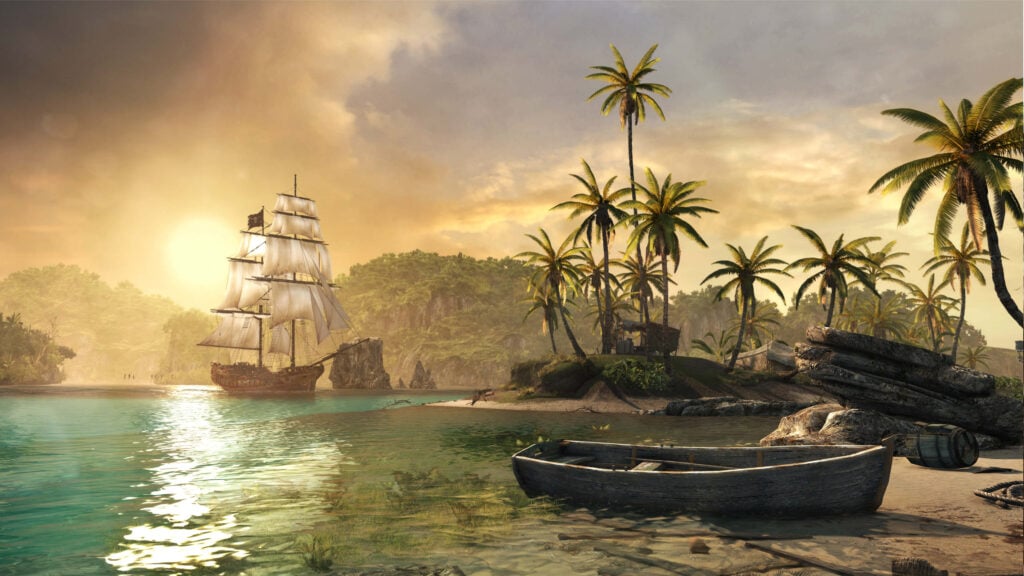
The ocean itself became one of the game’s greatest characters. Massive waves battered the Jackdaw during storms, waterspouts ripped through the sea, and sea shanties echoed across open waters as Edward’s crew sang during long voyages. Sailing between objectives never felt like a chore because traversal was entertaining. Ubisoft had somehow managed to create one of the most immersive pirate experiences ever seen in gaming.
Similarly, the world felt alive in ways many later Ubisoft open worlds struggled to replicate. Locations such as Nassau, Havana and Kingston all featured their own identity, atmosphere and architecture. The Caribbean setting perfectly complemented the franchise’s historical-fiction formula.
Of course, Black Flag also benefited from releasing during a particularly strong transition period in gaming. Launching on both seventh-generation consoles and newly released eighth-generation hardware, the title received noticeable visual improvements on platforms such as the PlayStation 4 and Xbox One. Improved lighting, enhanced water simulation and denser environments made the Caribbean feel more vibrant than anything Ubisoft had previously attempted. Fortunately, the gameplay held up equally well.
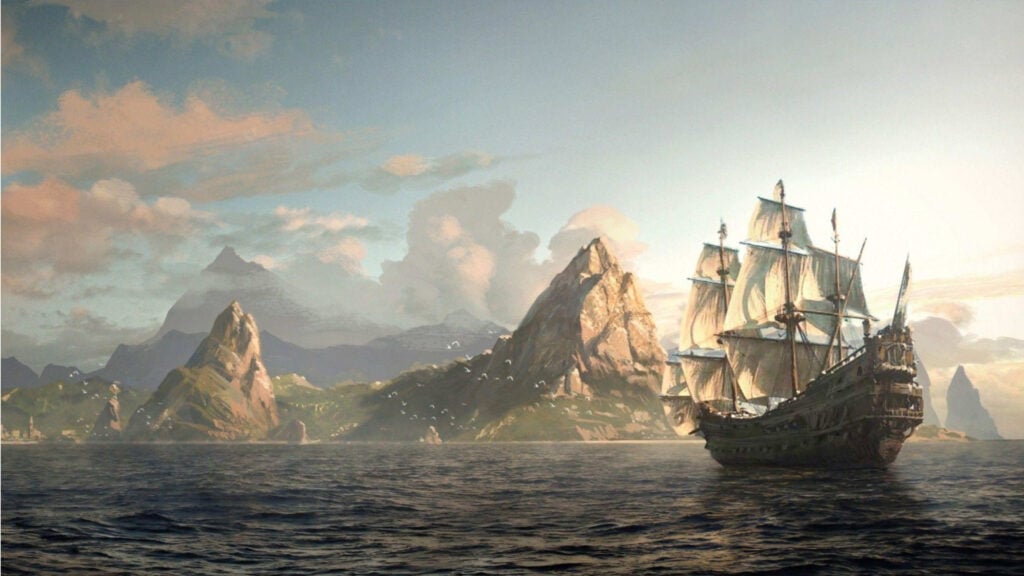
Building upon Assassin’s Creed III’s naval systems, Assassin’s Creed IV: Black Flag significantly expanded ship combat and progression. Players could upgrade the Jackdaw with stronger hull armour, heavier cannons, swivel guns and mortars. Enemy ships varied in difficulty and size, forcing players to strategically position themselves during combat encounters. Boarding enemy vessels also introduced dynamic action sequences where Edward and his crew stormed opposing ships in chaotic close-quarters combat.
Outside of naval gameplay, Black Flag still retained the traditional Assassin’s Creed formula. Players could stalk enemies through dense crowds, climb buildings, perform stealth assassinations and explore cities filled with side activities. Hunting animals, treasure diving, harpooning sea creatures and raiding forts all added further variety to the experience… but the game also came with its fair share of hiccups.
Unfortunately, Black Flag ended up inheriting many of the frustrations associated with older Assassin’s Creed games. Tailing missions remained a major issue, with the game frequently forcing players into slow-paced stealth sequences where detection resulted in instant failure. While these missions were manageable at the time, replaying the game today highlights just how repetitive and restrictive they often were.
Combat also lacked challenge once players mastered the counter-based system. Edward eventually became so powerful that entire groups of enemies could be defeated with little effort. Similarly, the modern-day storyline continued to struggle following the conclusion of Desmond Miles’ arc in Assassin’s Creed III. Although the first-person Abstergo Entertainment segments offered an interesting look at the inner workings of the franchise’s fictional megacorporation, they lacked the urgency and intrigue of earlier modern-day sections. Even so, Black Flag succeeded because its strengths overwhelmingly outweighed its flaws. Perhaps most surprisingly, Black Flag also delivered one of the strongest stories in the franchise.

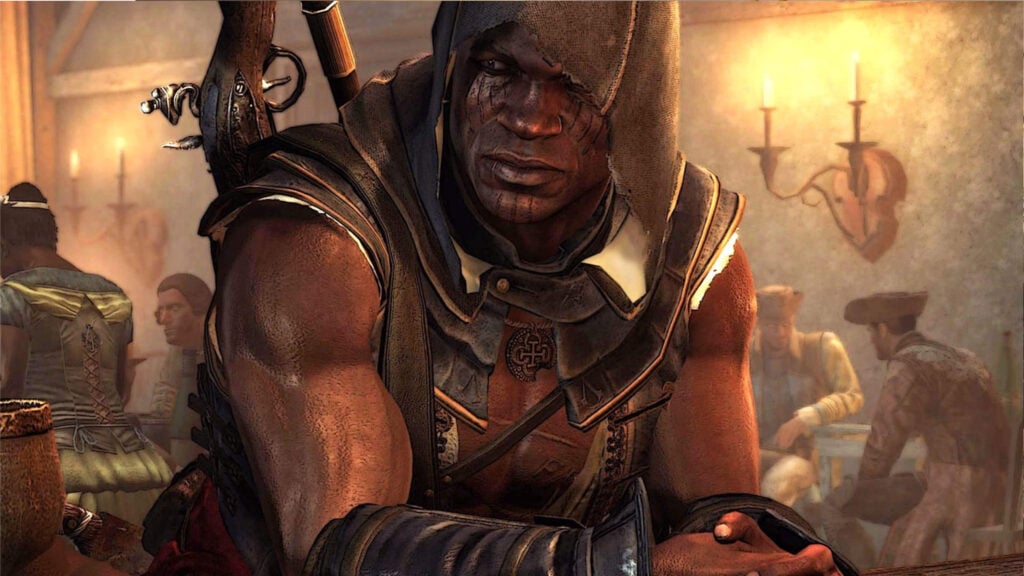
Beneath all of the pirate fantasy and naval warfare lies a surprisingly emotional and melancholic narrative. Black Flag is ultimately a story about the death of an era. Edward spends most of the game chasing a romanticised vision of piracy, only to slowly realise that freedom without responsibility inevitably collapses into chaos.
Historical figures such as Blackbeard, Charles Vane and Mary Read are portrayed less like mythical legends and more like tragic individuals desperately trying to survive in a rapidly changing world, and Black Flag becomes far more reflective than players initially expect, by the final act. Characters die, friendships collapse and Edward slowly begins understanding the consequences of his selfishness. The ending sequence, accompanied by Anne Bonny’s rendition of “The Parting Glass”, remains one of the most emotionally effective moments in Assassin’s Creed history… and the studio did not just stop there either.
Shortly after Black Flag’s release, Ubisoft launched Assassin’s Creed Freedom Cry — a standalone expansion starring Adewale, Edward’s former quartermaster turned Assassin.
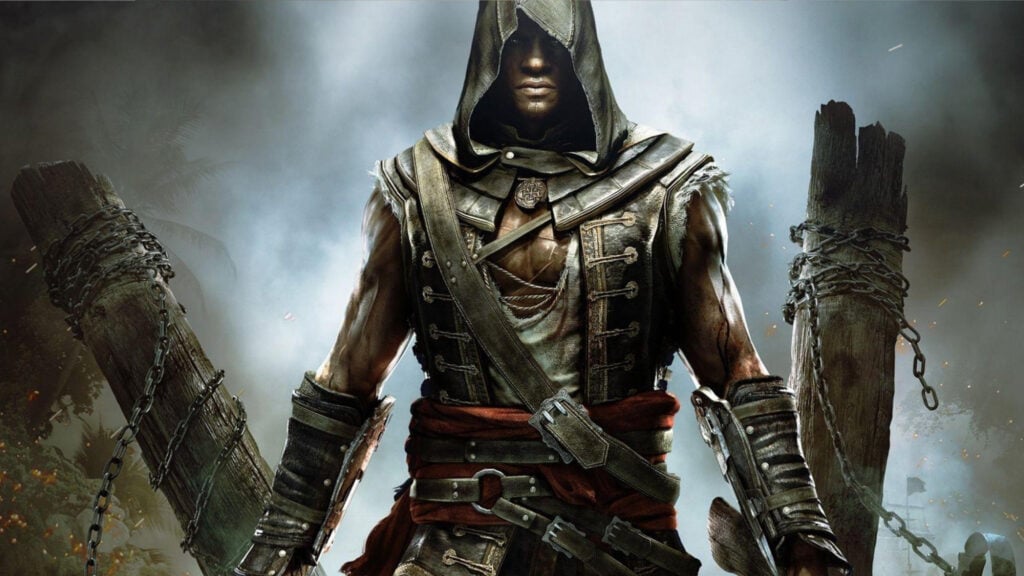
Where Black Flag romanticised piracy, Freedom Cry focused heavily on the brutal realities of slavery and colonialism in Saint-Domingue. Adewale proved to be a compelling protagonist in his own right, bringing a far more serious and grounded tone to the experience. The expansion explored darker themes rarely tackled by Ubisoft at the time, while still retaining the naval exploration and combat mechanics that made Black Flag so enjoyable.
Although shorter in length, Freedom Cry remains one of the strongest pieces of downloadable content Ubisoft has released to this day. In fact, many fans still argue that Adewale deserved a fully fledged standalone sequel following the expansion’s release. Needless to say, a sequel to the iconic spin-off never arrived, making the wondrous success for a much more current spin-off (Assassin’s Creed Mirage (2023)) sting ever so slightly. Nevertheless, Ubisoft have attempted multiple times to recreate its success in the years following Black Flag. Naval exploration became increasingly prominent across later Assassin’s Creed titles, while projects such as Skull and Bones attempted to isolate and expand upon the pirate gameplay formula entirely. However, many of those projects misunderstood what made Black Flag special.
Contrary to popular belief, the naval gameplay alone was never the sole attraction. Black Flag succeeded because every part of the experience worked together seamlessly. The setting, atmosphere, story, progression systems, exploration, and even the music all combined to create an unforgettable fantasy. Players were not simply controlling a pirate — they felt like one.
More than a decade later, Assassin’s Creed IV: Black Flag still stands as one of Ubisoft’s greatest achievements. While some mechanics have undoubtedly aged poorly, the game’s atmosphere, storytelling and sense of adventure remain timeless. Ironically, the game that many feared would move too far away from Assassin’s Creed ultimately became one of the franchise’s defining entries.

Junior Editor at Vamers. From Superman to Ironman; Bill Rizer to Sam Fisher and everything in-between, Edward loves it all. He is a Bachelor of Arts student and English Major specialising in Language and Literature. He is an avid writer and casual social networker with a flare for all things tech related.
- Edward Swardthttps://vamers.com/author/edwardswardt/
- Edward Swardthttps://vamers.com/author/edwardswardt/

- Edward Swardthttps://vamers.com/author/edwardswardt/

- Edward Swardthttps://vamers.com/author/edwardswardt/

- Edward Swardthttps://vamers.com/author/edwardswardt/

- Edward Swardthttps://vamers.com/author/edwardswardt/

- Edward Swardthttps://vamers.com/author/edwardswardt/

- Edward Swardthttps://vamers.com/author/edwardswardt/