For a long running series, Forza Horizon is unusual in the sphere of gaming for being something of a beautiful unicorn. Every new entry of this Forza spin-off somehow manages to feel both deeply familiar and entirely refreshing at the same time. Playground Games has spent years refining a formula many developers have attempted to imitate, yet none have truly managed to replicate. Horizon exists as a strange hodgepodge of arcade racer, open world sandbox, car culture celebration, and automotive tourism. At this point, the amount of breathtaking places and experiences players have been given are nothing short of amazing, which is what makes Forza Horizon 6 and its highly-sought after setting so interesting.
After years of speculation, rumours, leaks, and endless community requests, Playground Games has finally brought Horizon to Japan. It goes without saying how Japan is a setting fans have practically demanded for nearly a decade. As a result, expectations surrounding the game have become absurdly high. Fortunately, Forza Horizon 6 does not merely feel like another excellent Horizon game. Instead, it feels like the evolution the series desperately needed.
Every Horizon game lives or dies by its setting. Colorado introduced the formula, Southern Europe gave the franchise a sense of style, Australia expanded the scale, Britain experimented with atmosphere and seasonal variety, while Mexico delivered visual diversity on a truly enormous scale. Japan, however, brings all of this home. For the first time in years, Horizon appears to have found a setting perfectly complementing the fantasy it has always tried to create. Japan is not merely a simple backdrop for racing, rather it is the identity of the entire experience. In short: the Tokyo Drift fan in me can now die, and be extremely happy at that!
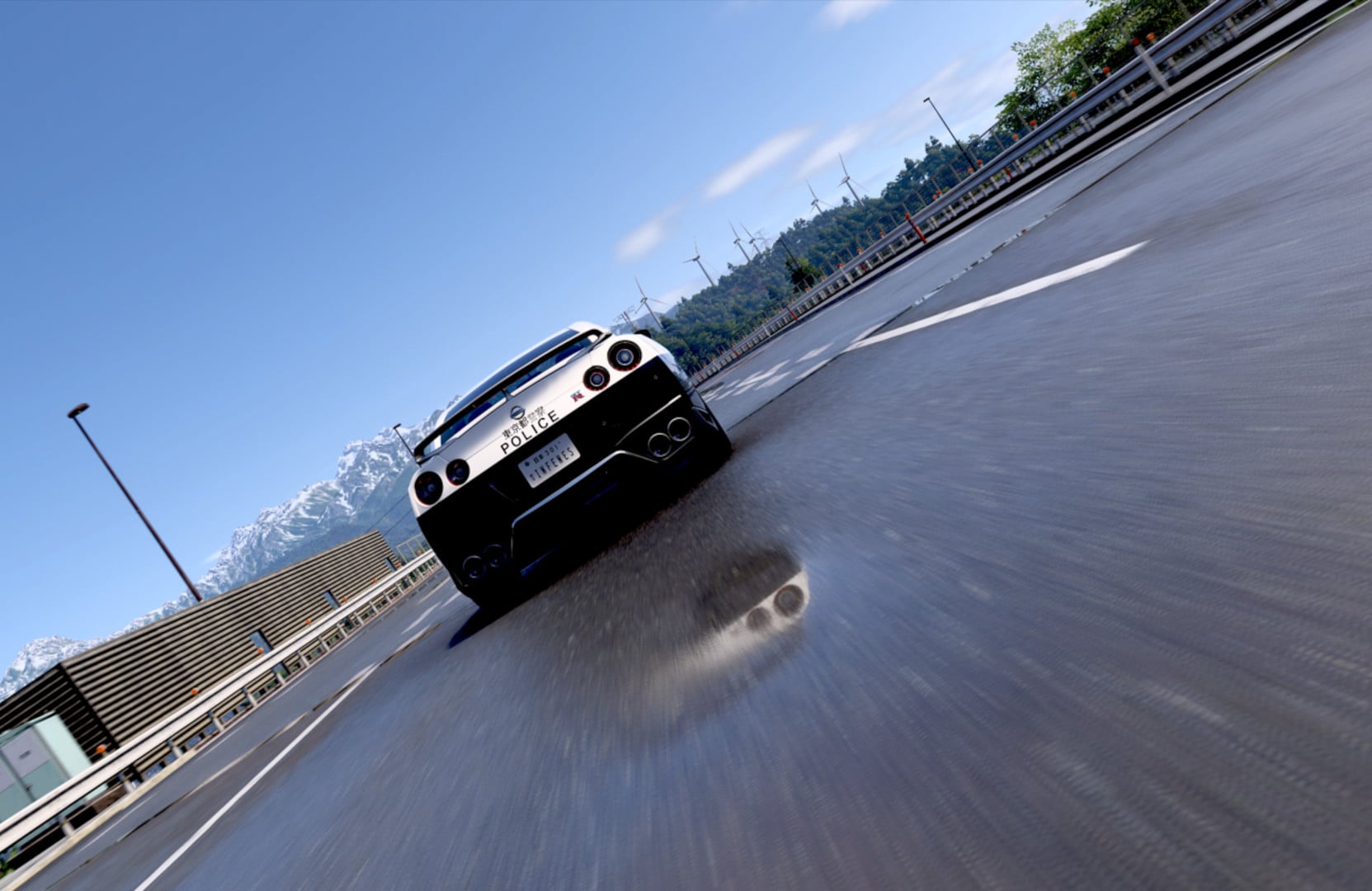
Tokyo appears absolutely stunning in motion. Neon lights reflect off rain soaked streets while dense traffic flows through towering urban highways and cramped alleyways. Mountain roads twist through forests and steep hillsides, eventually opening into countryside routes and coastal stretches. Most importantly, however, is how the world appears believable. That may sound like an odd thing to say about a Horizon game, especially considering the series has always excelled visually, but there is no denying how previous entries occasionally felt ‘artificial’. Mexico in Forza Horizon 5 was beautiful – and remains an exceptional title that absolutely must be experienced. Yet in retrospect, it often resembled a curated tourist attraction more than a place where people live. Moreover, and at first glance, Horizon 5’s massive open world with its different regional specialities seemed outright overwhelming. This is not the case in Forza Horizon 6.
Forza Horizon 6 appears far more grounded in comparison. While there is greater density throughout the world: roads appear busier, urban districts feel cluttered and alive, and street racing scenes look more intimate and atmospheric; it also comes with a certain intimateness in its atmosphere. Smaller towns contain a surprising amount of environmental detail, and there is an improved attention to atmosphere that dramatically changes the tone of the experience, which ultimately acts as one of the game’s greatest strengths.
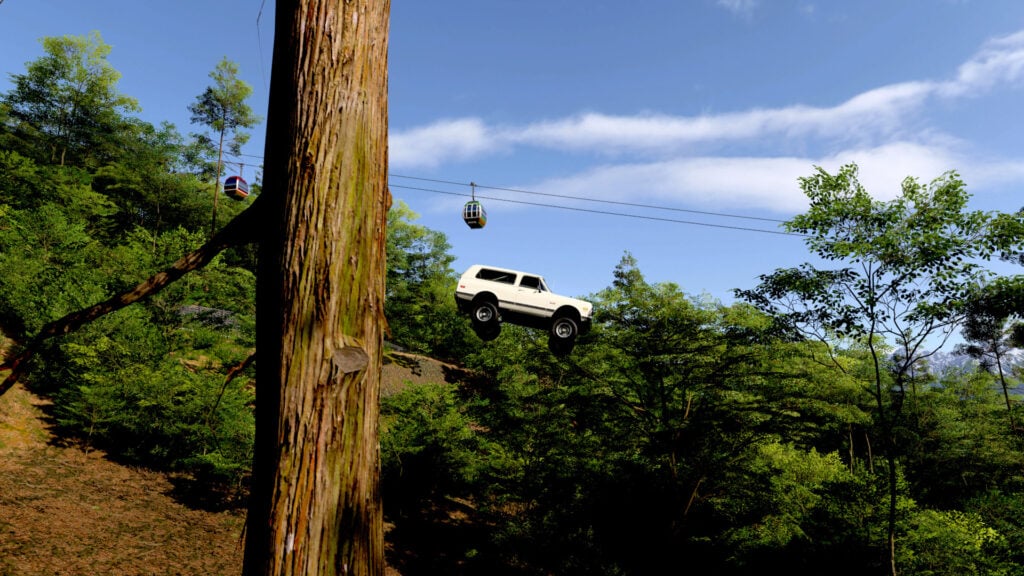
In terms of gameplay, long-standing fans and franchise veterans know exactly what to expect. Arcade sim racing peaked ages ago, and Horizon 6 does not take away from the experience at all. However, one serious criticism is how recent Horizon games became absurdly generous, handing players hyper cars almost immediately while wheel spins flooded garages with rewards. I will admit that even I found it weird how little reward I had been given after I finished the tutorial stage! The truth is progression has lost all meaning because previous games constantly showered players with expensive vehicles and endless praise. Forza Horizon 6 has intentionally slowed things down.
Players now begin with smaller and more modest vehicles before gradually earning access to faster machinery. Early races feel more competitive and slightly more demanding. This single adjustment completely transforms the experience because one of the greatest strengths of older racing games involved aspiration. Players began with relatively ordinary vehicles before slowly climbing toward high performance cars, creating emotional investment along the way.
Modern Horizon games often skipped the process entirely, and while players can still pick up absurdly expensive cars within the first hour or two of gameplay, Horizon 6 at least attempts to be far more restrained. As a result, upgrades feel meaningful again, faster vehicles feel earned rather than inevitable, and building a garage finally carries emotional value. The slower progression also complements the underground tone perfectly, because a street racing fantasy loses much of its appeal when players immediately receive multi million dollar hypercars within the opening hour.
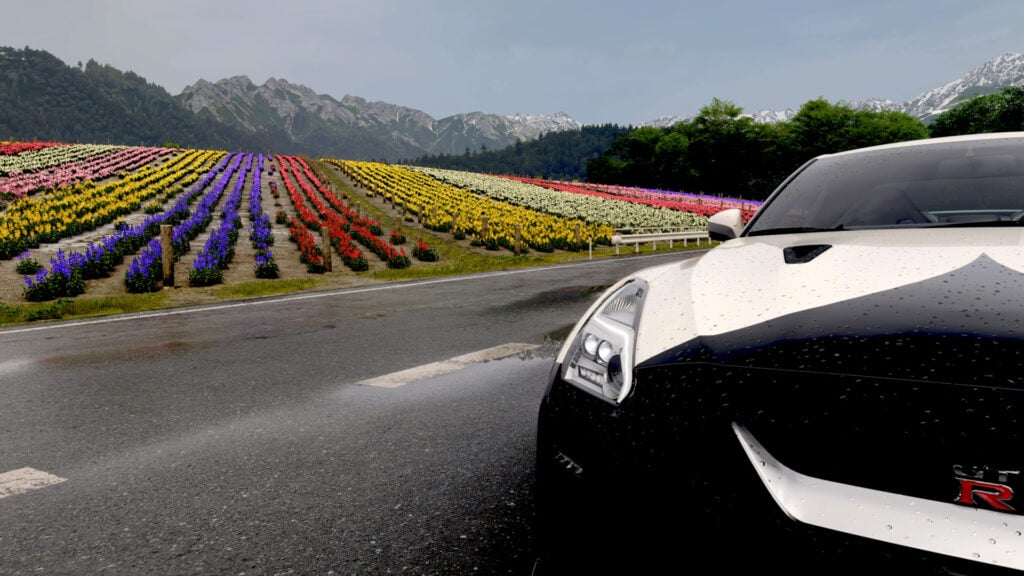
Moreover, Playground Games has not attempted to completely reinvent the handling model. Forza Horizon already possesses some of the best arcade driving physics in the industry, with cars feeling approachable without becoming weightless, while faster vehicles still require a degree of control and mechanical understanding. Horizon 6 simply refines what already worked.
Drifting is especially important this time around, which makes obnoxiously perfect sense given the setting. Mountain roads feel narrower, sharper, and more technical than previous Horizon maps. It is clear road design has been made more deliberate this time around. One of the subtle issues with earlier Horizon games was how many routes eventually blended together into long sweeping highways built almost entirely around unrestricted acceleration. Forza Horizon 6 is more memorable by comparison. Tight mountain passes contrast sharply against massive urban expressways, while dense city streets force players into more technical driving situations.
Despite the changes, there is still plenty of classic Horizon spectacle here. The open world structure has not fundamentally changed, events still follow the established Horizon formula, and the overall gameplay loop remains recognisable. The festival atmosphere remains present, large showcase events persist, multiplayer content is extensive, and the map remains filled with races, activities, and distractions. However, the experience feels slightly more restrained than previous entries, which is probably for the best. For many players, this consistency will be welcome, while others may argue the franchise still needs more substantial innovation.
Forza Horizon 5 occasionally felt overwhelming because the map constantly exploded with icons, wheel spins, rewards, currencies, accolades, and distractions. Players became superstars almost immediately, undermining any real sense of progression. Horizon 6, on the other hand, attempts to focus the event into a logical structure. Do not misunderstand, however. The game still embraces spectacle, it just no longer feels desperate for constant validation, and the balance may ultimately become the key to its greater overall success.
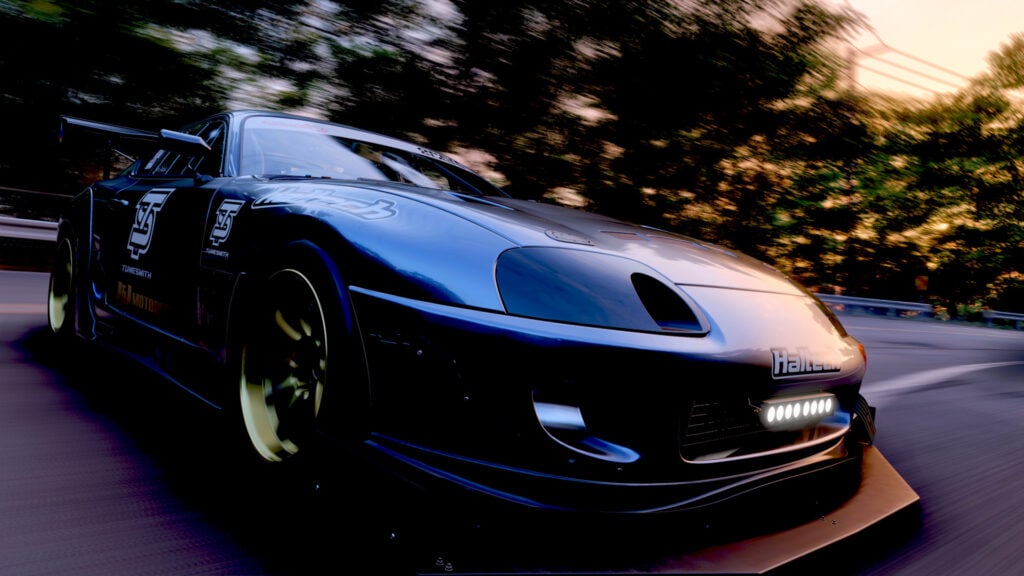
One of the biggest criticisms from fans and critics alike aimed at recent Horizon games involves tone. The series slowly drifted toward becoming almost painfully cheerful. Every character sounded overly enthusiastic, events celebrated the player as though they were the greatest driver in history, and progression lost much of its meaning because the game constantly rewarded players with expensive vehicles and endless praise. Horizon 6, on the other hand, seems to have deliberately moved away from this specific identity.
The underground street racing aesthetic may not be entirely central to the experience, but it plays quite a large role this time around. Night racing receives far greater emphasis, drifting culture plays a much larger role too, and mountain passes alongside sprawling expressway systems feel designed specifically to encourage high speed technical driving. Most importantly, the game appears moodier. This tonal shift may sound small on paper, but it fundamentally changes how Horizon, as an ongoing series, feels. There is a stronger sense of ‘cool’ throughout the entire presentation. It no longer feels like a corporate sponsored music festival where every participant exists purely to compliment the player. Instead, Horizon 6 appears far more interested in celebrating car culture and, perhaps more importantly to Japan, car history.
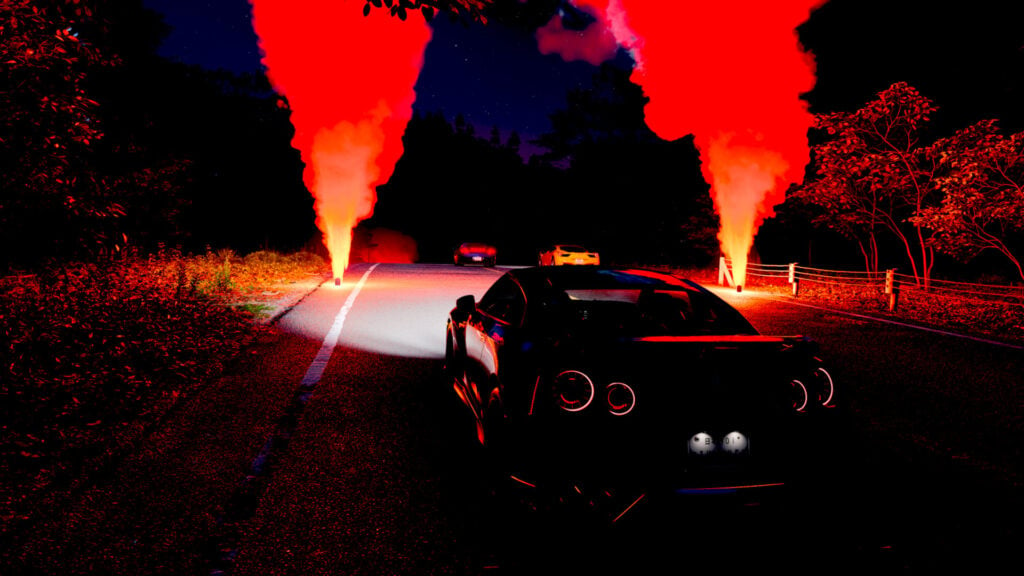
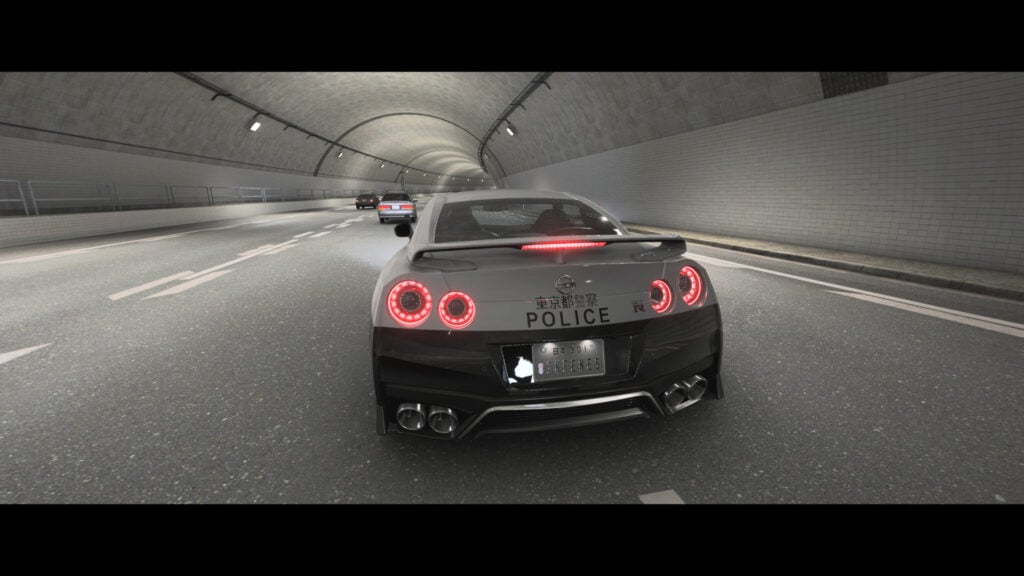
Visually, Forza Horizon 6 looks absurdly impressive. This statement almost feels meaningless nowadays since modern racing games are expected to look spectacular, yet Horizon 6 manages to stand out as one of the the most visually advanced racing games ever created. Lighting appears dramatically improved across the board, especially during nighttime races where neon reflections bounce across wet roads while headlights cut through dense rain and fog. Tunnel driving becomes a sensory overload, with engine sounds reverberating violently while lighting flickers across speeding vehicles.
Weather effects also appear significantly more dynamic than previous Horizon games. Rain does not simply fall onto roads anymore. Streets glisten realistically, water sprays violently behind cars, fog hangs across mountain routes, and dense clouds roll over urban skylines. Even traffic density feels noticeably improved, with cities appearing crowded and roads feeling genuinely active. Crucially, none of this appears to come at the expense of performance. The game targets sixty frames per second in performance mode while maintaining an extremely high visual standard. The fact Playground Games have been able to sustain such stable performance, with this level of environmental complexity, is nothing short of a remarkable technical achievement.
Graphical fidelity aside, one of the long standing weaknesses of modern Forza games involves sound design. While Horizon 5 improved on this aspect vastly, vehicles still frequently lacked aggression, engine notes sounded overly clean, and certain vehicles failed to convey the raw mechanical violence expected from high performance machines. It appears as if this was something the studio focused on specifically for Horizon 6. The audio design stands among the game’s most noticeable improvements. Turbo systems sound sharper and more aggressive, exhaust notes carry more weight, and tunnel driving transforms the sensation of speed entirely.
There are moments where the soundtrack almost becomes secondary to the cars themselves, which speaks volumes about the quality of the audio design. Forza Horizon has always delivered exceptional handling and accessibility, but convincing audio is what gives cars personality. Without proper sound design, even the fastest vehicles can feel strangely hollow. Horizon 6 finally appears to understand this, and it even comes with new sound presets that showcase engine and car sounds over music, or vice versa.
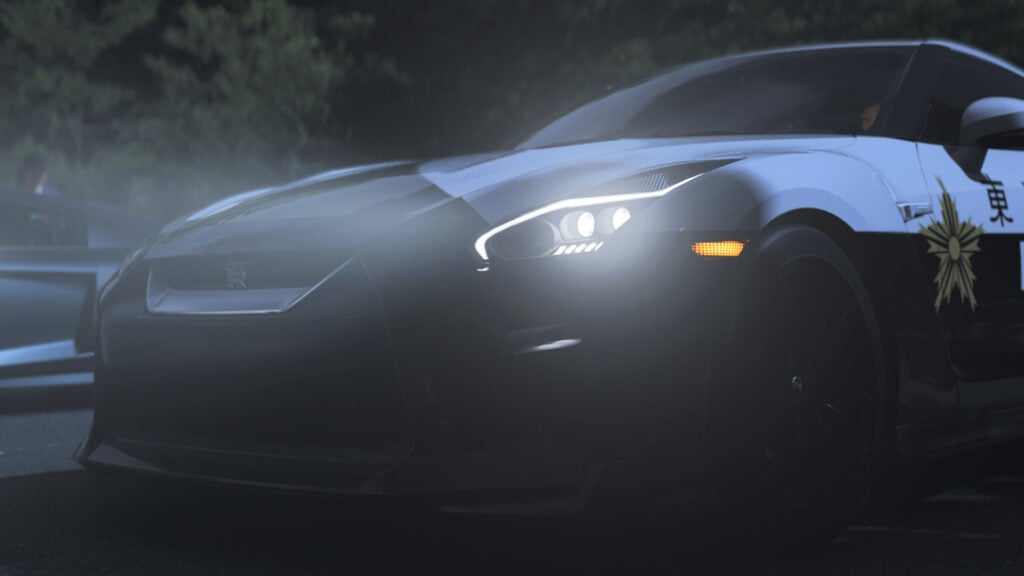
Forza Horizon 6 recaptures a sense of automotive culture the series was slowly beginning to lose over time. Cars no longer feel like disposable rewards handed out every few minutes. They now feel like machines worth learning, customising, and mastering. The underground tone, the emphasis on drifting and technical driving, and the more restrained structure all contribute toward making the experience feel more personal and memorable. It may not radically reinvent the Horizon formula, and some players will undoubtedly wish for more substantial innovation, but there is a strong argument to be made that Playground Games did not need to reinvent the formula at all. Instead, the studio refined nearly every major criticism levelled at previous entries while simultaneously delivering the most atmospheric setting the franchise has ever seen. Forza Horizon 6 is not simply another excellent arcade racer. It is the most complete expression of what the Horizon series has been building toward for more than a decade.
Verdict:
EXCEPTIONAL [5/5]
| PROS | CONS |
| Japan is beautiful | No radical reinventions of the formula |
| Best sound in a Horizon game yet | |
| Less overwhelming than previous titles | |
| Gorgeous visuals |
Title reviewed on Xbox Series X with code supplied by publisher.
Learn more about our review methodology here.

Junior Editor at Vamers. From Superman to Ironman; Bill Rizer to Sam Fisher and everything in-between, Edward loves it all. He is a Bachelor of Arts student and English Major specialising in Language and Literature. He is an avid writer and casual social networker with a flare for all things tech related.
- Edward Swardthttps://vamers.com/author/edwardswardt/

- Edward Swardthttps://vamers.com/author/edwardswardt/
- Edward Swardthttps://vamers.com/author/edwardswardt/

- Edward Swardthttps://vamers.com/author/edwardswardt/

- Edward Swardthttps://vamers.com/author/edwardswardt/

- Edward Swardthttps://vamers.com/author/edwardswardt/

- Edward Swardthttps://vamers.com/author/edwardswardt/

- Edward Swardthttps://vamers.com/author/edwardswardt/