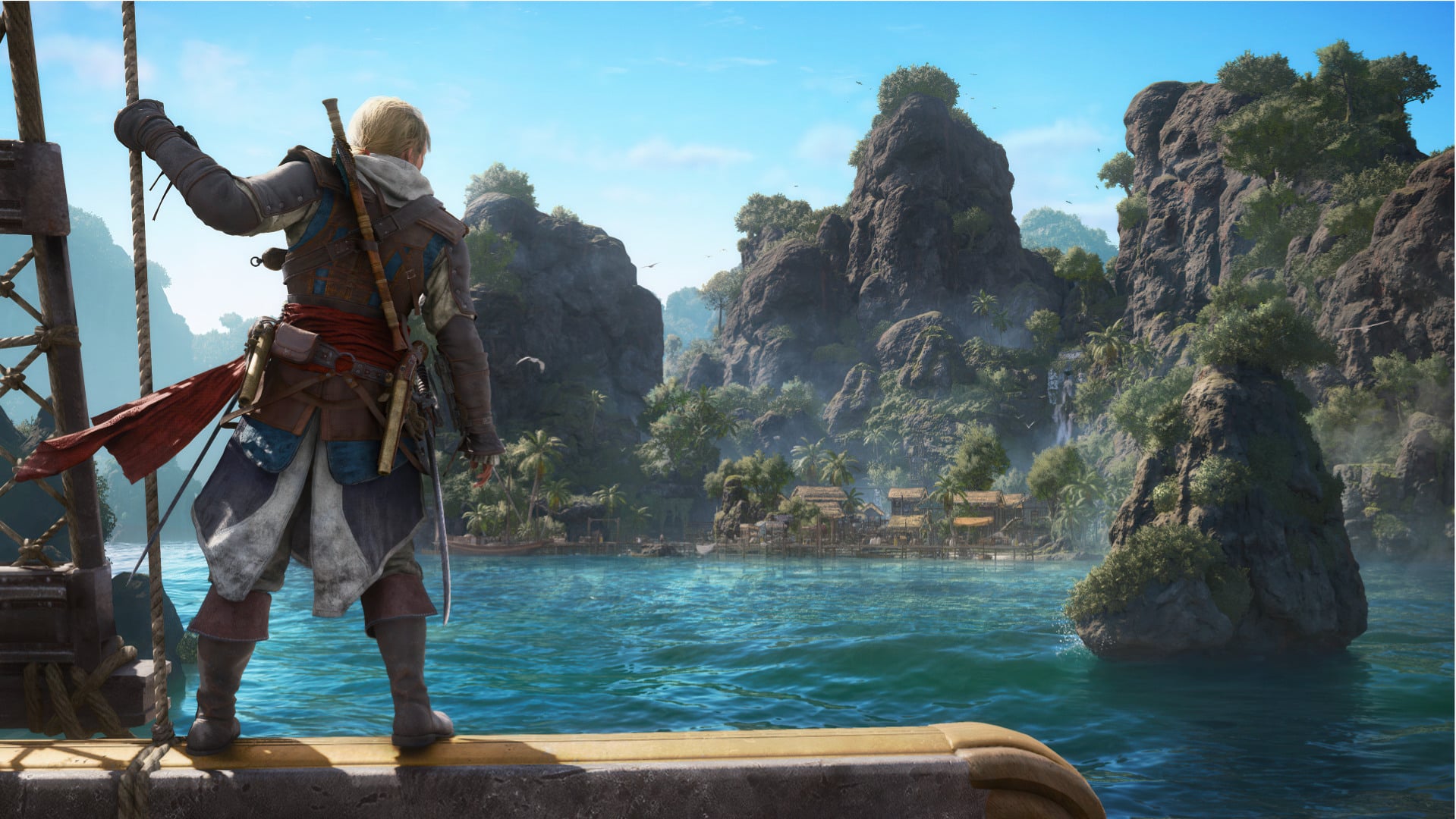
There is something timeless about the fantasy of becoming a pirate. Long before open world games became the industry’s biggest obsession, Assassin’s Creed IV: Black Flag understood how freedom is not measured by the size of a map, but by the way the map inspires players experiences. It invited players to climb aboard the Jackdaw, unfurl its sails, and disappear beyond the horizon in search of fortune, glory, and the next great adventure. Even after more than a decade, very few games have captured this feeling with quite the same confidence. Well, not until Assassin’s Creed Black Flag Resynced came ashore with swagger fully intact.
Black Flag Resynced returns to those familiar waters with the benefit of modern technology and years of hindsight. Rather than reinventing one of Ubisoft’s most beloved adventures, the remake focuses on refining it. Familiar locations are rebuilt with remarkable detail, combat has been refreshed to feel more responsive, and countless quality of life improvements smooth over many of the rough edges that naturally appeared with age. The result is a game remaining unmistakably Black Flag while feeling far more at home alongside today’s biggest open world releases.
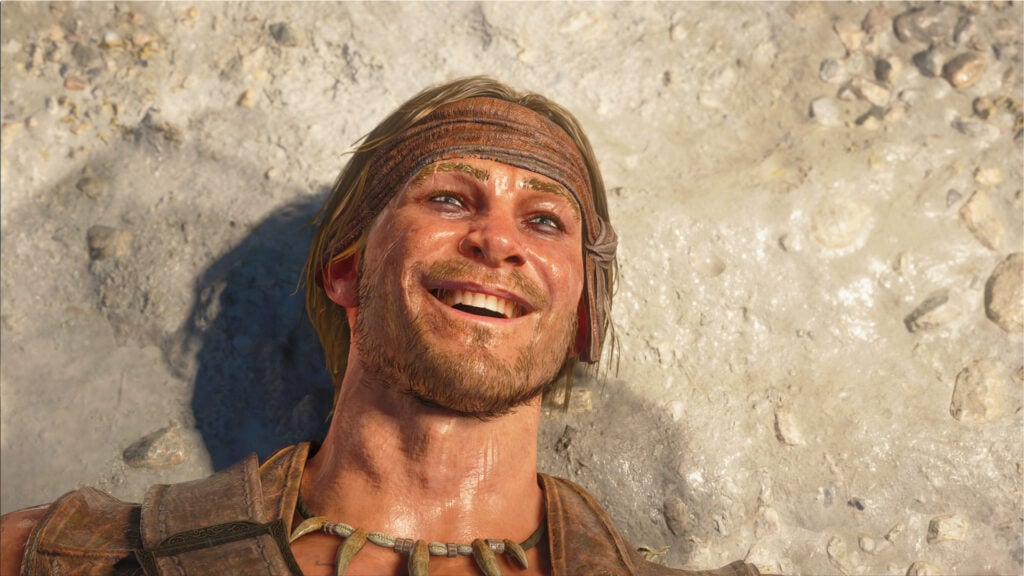
At the heart of it all is Edward Kenway, a protagonist who remains one of the series’ finest characters. Unlike many Assassins who begin their journey already committed to the Creed, Edward starts as something much more relatable. He is selfish, ambitious, and convinced wealth will solve every problem in his life. Rather than search for some kind of deeper meaning in life, Edward simply wants a better future, regardless of who or what stands in his way. This personal ambition gave Assassin’s Creed IV: Black Flag a refreshing perspective, and it returns with aplomb in the somewhat retitled Assassin’s Creed Black Flag Resynced.
In Black Flag Resynced, players witness the gradual dismantling of a man whose pursuit of fortune costs him friendships, opportunities, and eventually the very future he imagined for himself. By the time the credits roll, his transformation feels earned through experience rather than destiny, making him one of the franchise’s most compelling leads, and one of the more poignant Assassins of the franchise.
With that said, supporting characters remain equally memorable. The Caribbean is filled with larger than life personalities whose reputations have become legendary throughout history. Figures such as Blackbeard, Charles Vane, Anne Bonny, Benjamin Hornigold, and Mary Read, among others, are given room to breathe beyond their historical reputations. Each plays an important role in shaping Edward’s understanding of freedom, loyalty, and the inevitable decline of the pirate republic. The remake enhances these relationships through significantly improved facial animation and more expressive performances. Conversations that once relied heavily on body language now carry greater emotional weight through subtle expressions and believable eye contact. Smaller character moments often land harder than expected, making scenes that long-time fans already know feel surprisingly fresh.
On top of the meaningful changes and additions to memorable cutscenes, also come brand new questlines and additional cutscenes made fresh and from scratch specifically for Black Flag Resynced. These quests serve to enhance stories of all side characters mentioned above and many more, and it does so with ease. Moreover, fans of the original will also notice small additions and subtle changes to cutscenes that really do enhance the effect Edward Kenway originally intended to have! With all of this in mind, however, Ubisoft have been very careful not to take away from the other shining star of the original title: the Caribbean itself.

Few games make exploration feel as inviting as Black Flag Resynced. Every island on the horizon teases hidden treasure, abandoned ruins, bustling ports, or dangerous enemy strongholds. Sailing from Havana to Kingston rarely feels like travelling between objectives. Instead, the journey becomes the destination. It is remarkably easy to set out with a clear plan only to become distracted by a naval battle, an uncharted island, or the silhouette of a mysterious ship appearing through the morning fog. Resynced elevates this sense of discovery through an extraordinary visual overhaul. Tropical forests feel denser than ever, beaches glisten beneath the afternoon sun, and crystal clear waters reveal colourful coral reefs beneath the surface. Weather transitions are especially impressive. Calm seas can quickly give way to towering waves and violent thunderstorms that dramatically alter visibility while transforming familiar stretches of ocean into dangerous battlegrounds.
Surprisingly, lighting deserves particular praise. Sunsets cast warm orange reflections across the Caribbean while moonlit nights create an almost dreamlike atmosphere as the Jackdaw silently glides across the water. It is the sort of environmental storytelling encouraging players to simply stop moving for a moment and admire the view.
Playing in fidelity mode on Xbox Series X most definitely allows the world to feel considerably more alive as well (more on this below). Port cities bustle with activity as merchants negotiate prices, labourers unload cargo, musicians entertain crowds, and sailors stumble between taverns after long voyages. Wildlife has received similar attention: schools of fish dart beneath the waves while birds circle overhead before diving toward the sea. Sharks patrol shallow waters with unsettling realism, reminding players that danger exists both above and below the surface.
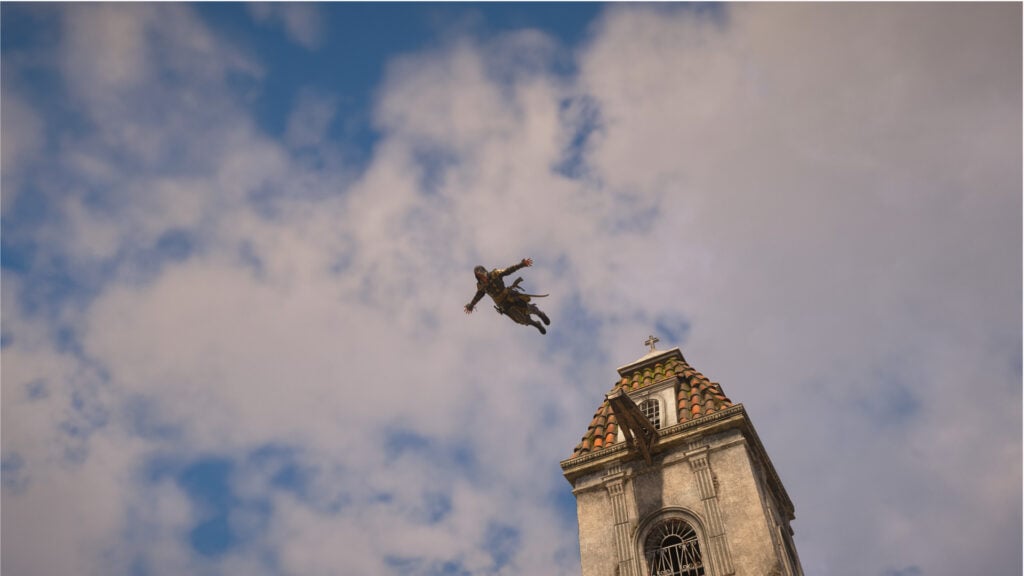
Exploration extends well beyond sailing. Dense jungles hide forgotten temples and ancient ruins rewarding curiosity with treasure, collectibles, and environmental storytelling. Climbing remains satisfyingly intuitive, allowing Edward to scramble across rooftops, cliffs, and ship masts with remarkable fluidity. Parkour has benefited from modern animation blending, making movement feel smoother without sacrificing the responsive simplicity that made the original so approachable… but of course, no discussion of Black Flag Resynced would be complete without mentioning the Jackdaw.
Even today, few games deliver naval gameplay that feels this rewarding. Every voyage begins with careful observation of the wind before adjusting sail speed to maximise momentum. Enemy vessels appear naturally throughout the ocean, forcing players to decide whether to avoid confrontation or engage in spectacular ship battles that remain among the finest ever created.
Each engagement unfolds like a tactical puzzle rather than a simple exchange of cannon fire. Positioning matters just as much as firepower. Players constantly balance broadside cannons, swivel guns, chain shots, mortars, and heavy shot while watching wave patterns and enemy movement. Battles become increasingly intense as larger warships enter the fight, demanding clever manoeuvring instead of reckless aggression. The remake significantly enhances the spectacle without compromising the mechanics that made these encounters so memorable in the original. Cannon impacts send splintered wood flying across the deck, sails tear apart with convincing physical simulation, and explosions shower burning debris into the surrounding ocean. Ships no longer feel like health bars floating on water. They break apart piece by piece, visually communicating every successful hit.
Boarding actions remain a personal delight, even in this remake. Rather than destroying valuable enemy ships outright, players can disable them before swinging aboard alongside their crew. The transition from naval combat to hand to hand fighting still feels seamless, maintaining the exhilarating pace that made these encounters so addictive. Capturing ships for resources, repairing the Jackdaw, or adding vessels to the fleet ensures every battle contributes toward meaningful progression.
The Jackdaw itself continues to serve as both transportation and home. Gradually upgrading its cannons, armour, hull strength, ram, and storage capacity creates an enjoyable sense of ownership throughout the adventure. Every improvement is immediately noticeable during combat, encouraging players to seek out resources through exploration instead of simply rushing through the main story. This constant loop of sailing, discovering, battling, and upgrading remains Black Flag Resynced’s greatest achievement.
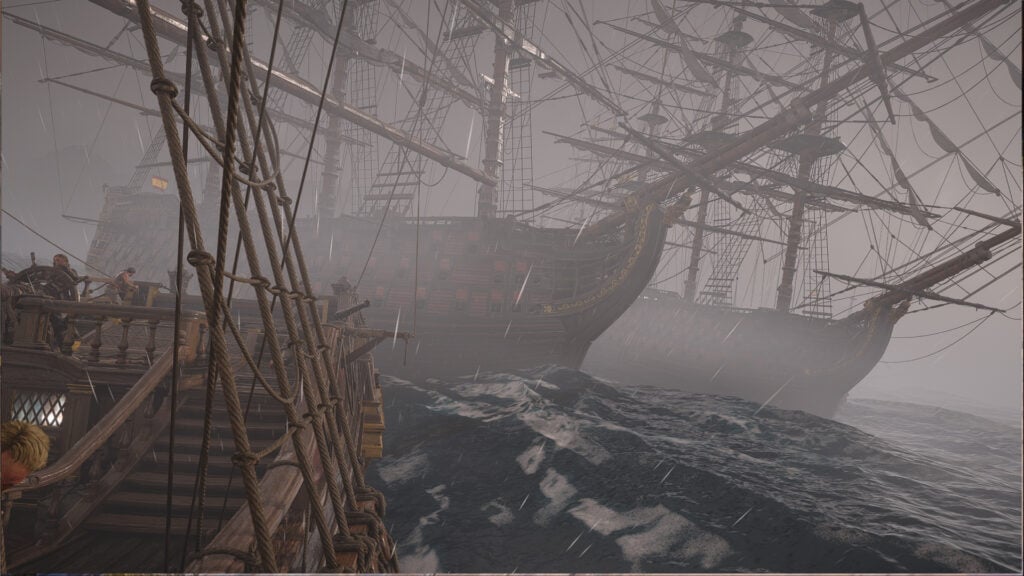
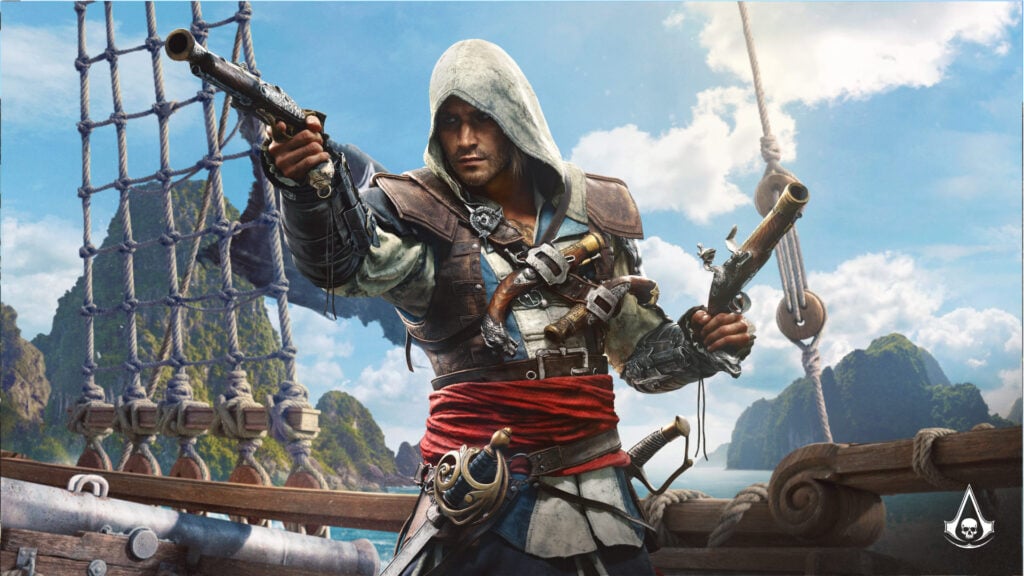
While the Jackdaw may steal the spotlight, Black Flag has always balanced its naval brilliance with satisfying combat on land and Black Flag Resynced refines nearly every aspect of the experience without losing the accessibility that made the original so enjoyable. Edward’s impressive arsenal continues to offer welcome flexibility. Twin swords remain his signature weapons, though pistols, rope darts, smoke bombs, throwing knives, and hidden blades all have meaningful roles to play depending on the situation. Swapping between tools feels almost instantaneous, encouraging experimentation instead of settling into a single repetitive strategy.
Sword fights feel noticeably weightier this time around. Edward’s cutlasses slice through the air with convincing momentum while his four – yes, FOUR – firearms rain shots with ease. Enemy attacks are easier to read, and animations blend together more naturally than before. The original game’s counter based combat was undeniably satisfying, but it could often become repetitive once players mastered its rhythm. Resynced has taken a page from Valhalla, addressing this by encouraging a more aggressive and varied approach. Counters remain effective of course, but enemies react more intelligently, forcing players to adapt rather than simply waiting for the next attack prompt.
Different enemy types also complement one another far better than before. Agile duellists create openings for heavily armoured soldiers, ranged enemies pressure players from rooftops and balconies, while larger brutes demand careful positioning before committing to an attack. Battles still deliver the empowering fantasy of becoming an experienced pirate captain, but they rarely descend into the effortless slaughter that occasionally undermined the original’s challenge.
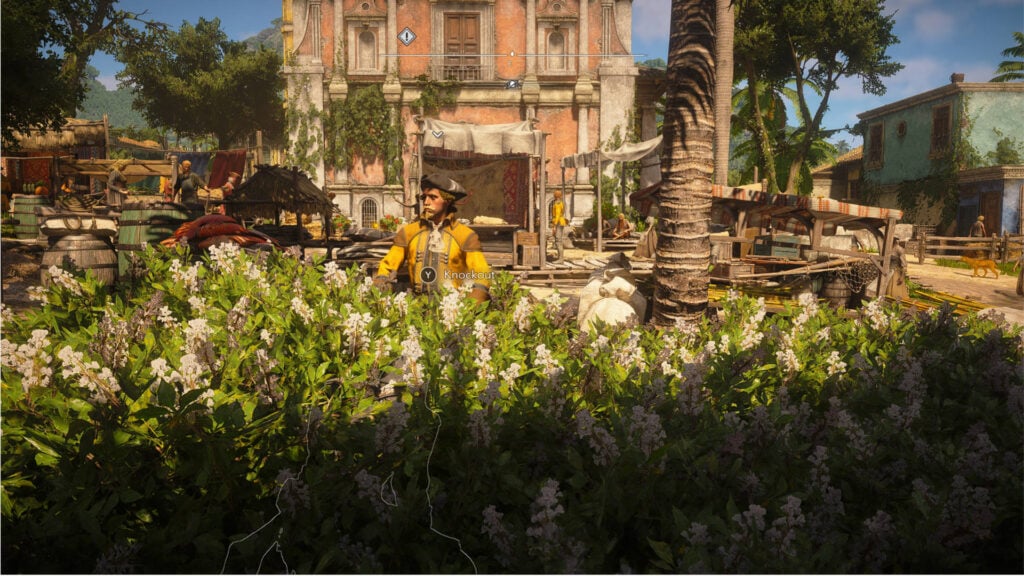
Stealth also receives welcome attention throughout Assassin’s Creed Black Flag Resynced. The franchise has always walked a fine line between open combat and careful infiltration, and Black Flag was sometimes criticised for leaning too heavily toward action. Resynced strengthens the stealth experience through smarter enemy awareness, improved patrol behaviour, and more consistent detection. Guards respond more believably to suspicious activity, while environmental cover feels better integrated into level design.
Foliage (AKA murder bushes) remain one of Edward’s greatest allies, allowing him to disappear almost completely before striking unsuspecting enemies. The remake adds additional foliage, alternative pathways, and more opportunities for aerial assassinations, giving stealth focused players greater freedom in how they approach each encounter. Missions that once felt restrictive now encourage creativity without abandoning their original structure.
The modernised controls contribute enormously to this improvement. Parkour transitions feel smoother, climbing responds more reliably, and Edward rarely fights against player inputs while navigating dense environments. Thanks to immense parkour reworks borrowed from Shadows, traversing rooftops across Havana or sprinting through jungle ruins now carries a fluidity rivalling many contemporary open world games.
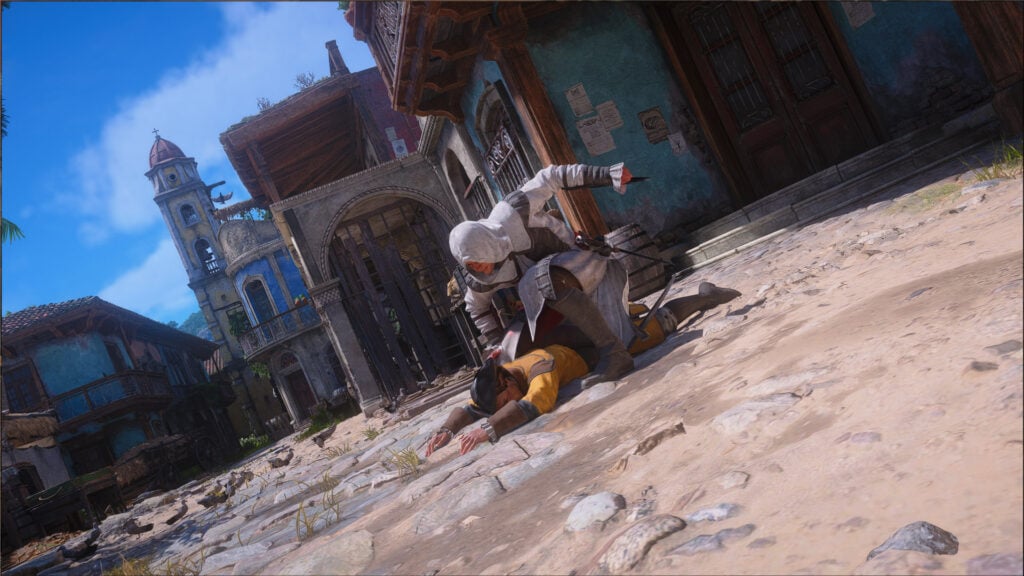
Beyond exploration and excellent story comes the third pillar that made Black Flag legendary: its mission variety. The main campaign constantly shifts between naval warfare, urban exploration, jungle expeditions, underwater shipwrecks, infiltration missions, and large scale battles. Few chapters linger on one mechanic for too long, helping maintain a satisfying pace across the lengthy adventure. Even quieter story moments provide welcome opportunities to absorb the atmosphere before the next explosive encounter.
Some of the original’s more heavily criticised tailing missions remain present, though they have been refined enough to feel considerably less frustrating. Improved checkpointing, wider stealth spaces, and more forgiving detection systems remove much of the repetition that previously made these objectives notorious among players. Above all else, however, is how Ubisoft have now implemented failsafes into many of these missions, allowing for continued play even if tailing ends up a failure! While they are unlikely to become anyone’s favourite missions, they no longer interrupt the game’s momentum as dramatically.
With that said, the Caribbean overflows with meaningful distractions outside the main story. Treasure maps encourage careful exploration by providing cryptic clues rather than precise objective markers. Naval contracts pit the Jackdaw against increasingly dangerous targets. Hunting legendary ships continues to represent some of the game’s greatest challenges, demanding complete mastery of every naval mechanic before victory becomes possible. These encounters remain unforgettable, combining enormous enemy vessels with brutal combat scenarios rewarding patience, positioning, and intelligent resource management.
Harpooning expeditions provide a welcome change of pace. Chasing whales and other enormous sea creatures across open waters creates memorable spectacles while supplying valuable crafting materials. Although these sequences are naturally more limited than the rest of the adventure, they still contribute to the fantasy of living as a pirate captain rather than merely completing objectives.
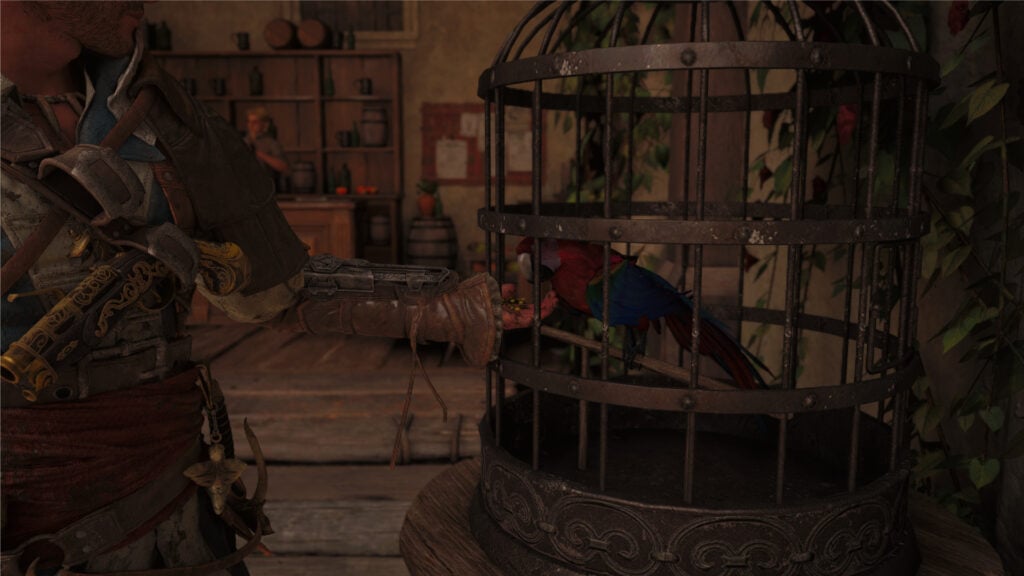
Underwater diving sections were not the biggest pull in the original title, and they will not be this time either. Thankfully, however, Resynced at least attempts to make them considerably more engaging with modernised controls and much improved quick actions. Improved lighting, denser marine life, and significantly greater environmental detail transform shipwrecks into breath-taking underwater playgrounds. Searching for hidden treasure while carefully avoiding sharks now creates genuine tension, even if movement remains intentionally slower than the rest of the experience.
Economic progression also feels more rewarding than ever. Resources gathered during exploration directly contribute toward upgrading both Edward and the Jackdaw, creating a satisfying gameplay loop where almost every activity provides meaningful rewards. Better armour increases survivability, improved weapons expand combat options, and ship upgrades dramatically alter naval encounters. Progress never feels artificially gated, encouraging players to explore naturally rather than forcing repetitive grinding.
Crafting has likewise been streamlined without becoming oversimplified. Hunting rare animals across the Caribbean still provides valuable materials for expanded equipment, but clearer menus and improved tracking systems reduce unnecessary frustration. Players spend less time navigating interfaces and more time enjoying the world itself.
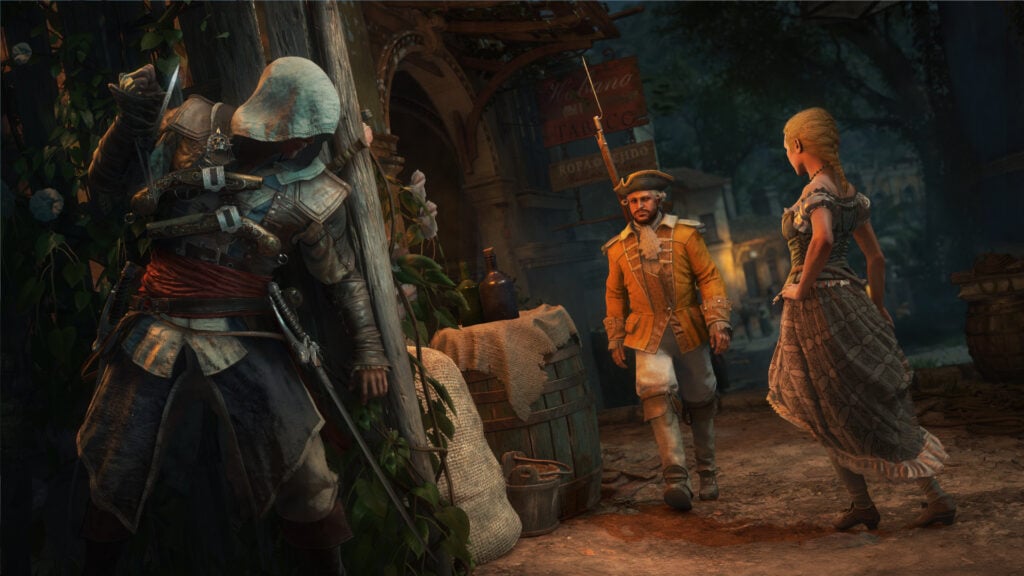
Visually, Assassin’s Creed Black Flag Resynced delivers exactly what many fans hoped for. Rather than fundamentally redesigning the original title’s artistic identity, Ubisoft has chosen to enhance every aspect of it through modern rendering technology pulled directly from the latest Assassin’s Creed titles.
In this sense, character models display remarkable levels of detail, clothing reacts naturally to movement, facial animation captures subtle emotional performances, and environmental textures rival many current generation releases. Water remains the undisputed technical showcase. Waves roll realistically beneath the Jackdaw, storms create towering walls of water that crash violently against the hull, while sunlight dances across the ocean with extraordinary realism. Sailing through calm waters during sunrise is genuinely breathtaking, while hurricane conditions become both visually spectacular and mechanically challenging.
Dense vegetation benefits equally from the remake’s technical improvements. Palm trees sway dynamically in changing winds, jungle undergrowth feels almost tangible, and distant islands fade naturally into atmospheric haze. Every location possesses its own distinct identity, ensuring travelling across the Caribbean rarely feels repetitive despite the immense scale of the world.
The attention to environmental storytelling deserves equal praise. Abandoned plantations, forgotten Mayan ruins (some of which double as important puzzle locations), crowded marketplaces, secluded fishing villages, and weather beaten pirate hideouts all communicate their histories through careful visual design. Players are constantly rewarded for simply slowing down and observing their surroundings.
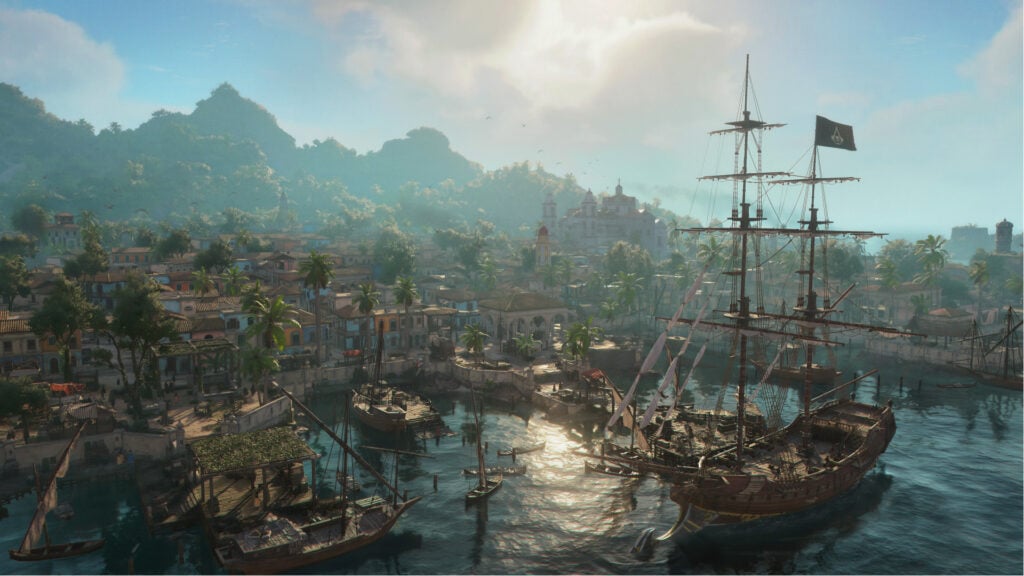
On Xbox Series X, performance remains consistently impressive throughout the experience. Frame rates stay remarkably stable even during chaotic naval engagements involving multiple ships, heavy weather effects, and dozens of combatants simultaneously. Loading times have been reduced dramatically, allowing exploration to flow almost uninterrupted from one destination to another. Raytracing adds an exceptional amount of shine to the world in fidelity mode, while performance mode basically locks any and all gameplay to some of the most buttery-smooth experiences the franchise has ever seen.
With that said, Assassin’s Creed Black Flag Resynced’s technical prowess also extends to its audio design. The soundtrack continues to rank among the finest in the franchise, blending sweeping orchestral themes with lively pirate melodies that perfectly capture the spirit of adventure. Music adapts seamlessly to changing situations, swelling triumphantly during naval victories before settling into quieter atmospheric pieces while exploring remote islands.
Voice acting remains exceptional across the entire cast. Edward’s charismatic personality shines through every conversation, balancing confidence, humour, and vulnerability with remarkable consistency. Supporting performances receive equal care, helping each historical figure feel authentic rather than exaggerated caricatures… But, perhaps no element contributes more to Black Flag’s identity than the sea shanties!
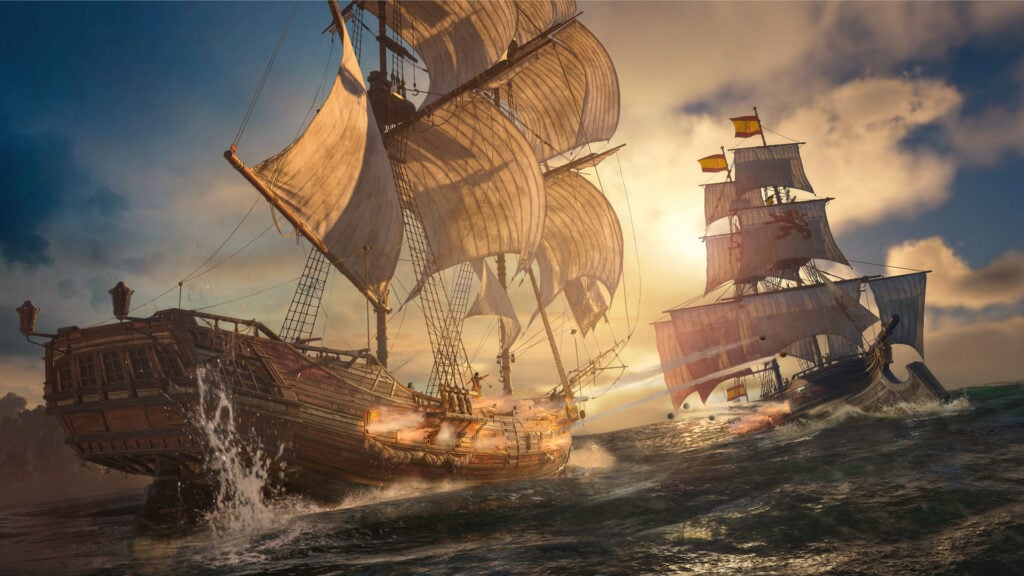
As crew members gradually break into song while the Jackdaw cuts through open waters, the world suddenly feels alive in a way very few games have ever achieved. These performances transform lengthy voyages into memorable experiences filled with personality and camaraderie. Resynced enhances these moments through richer recordings and improved spatial audio, making every chorus resonate across the surrounding ocean.
Even after so many years, it becomes remarkably easy to lose track of time aboard the Jackdaw. One moment you are chasing treasure hidden beneath an ancient temple, the next you are defending yourself against a fleet of Spanish warships before discovering an untouched island that was never part of your original plan. Few open world games encourage organic adventure quite as naturally as Black Flag, and Resynced reminds players exactly why its gameplay loop has remained so beloved for well over a decade.
Long before sprawling role playing systems and continent sized maps became the series’ defining identity, Assassin’s Creed excelled through focused storytelling, memorable characters, and carefully crafted worlds rewarding curiosity rather than sheer persistence. Black Flag represented the peak of that philosophy, blending historical intrigue with open ended exploration in a way that has rarely been replicated, even by later entries in the series.
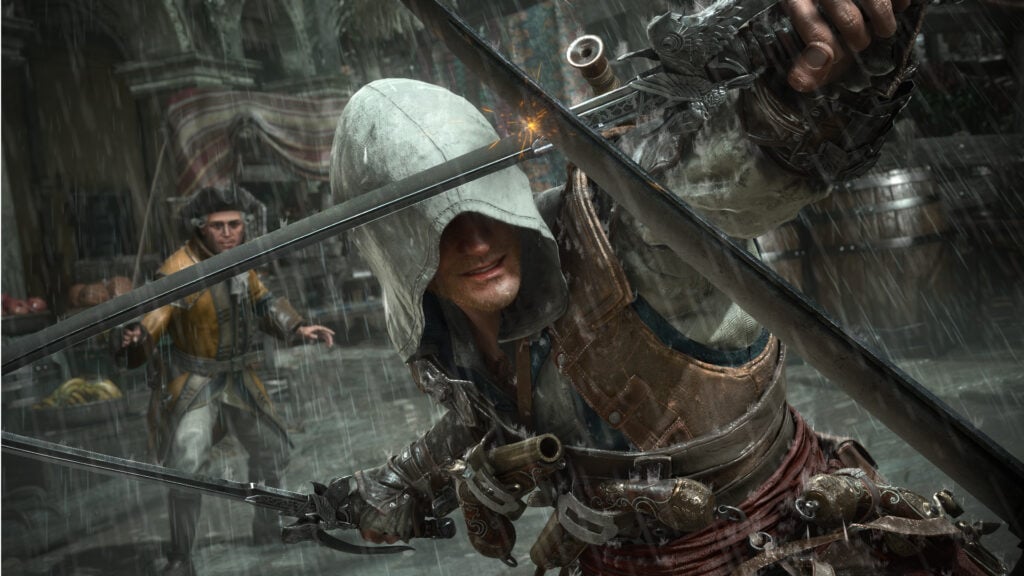
There is an authenticity to its world that remains difficult to describe until it is experienced firsthand. The simple act of standing at the wheel of the Jackdaw as the wind fills its sails, listening to the crew sing while the Caribbean stretches endlessly toward the horizon, still creates a feeling few games have managed to capture. In Assassin’s Creed Black Flag Resynced every distant island promises another story waiting to unfold, and every voyage feels like the beginning of a new adventure rather than another item on a checklist.
Resynced reminds players how truly great games are not defined solely by technical achievement. They endure because their ideas continue to resonate long after technology has moved on. The years have brought sharper visuals, faster hardware, and more sophisticated game design, yet remarkably few open world adventures have matched the effortless balance of exploration, storytelling, and player freedom that the original Black Flag achieved all those years ago.
By preserving the soul of one of Ubisoft’s greatest achievements while thoughtfully refining nearly every aspect surrounding it, Assassin’s Creed Black Flag Resynced succeeds where many remakes struggle. It honours the past without becoming trapped by it, whether stepping aboard the Jackdaw for the very first time or returning after years away, there has rarely been a better opportunity to answer the call of the Caribbean.
Verdict:
EXCEPTIONAL [5/5]
| PROS | CONS |
| Stunning visual overhaul | Some mission design can still feel dated |
| Still the gold standard for naval combat | A few tailing stealth missions still overstay their welcome |
| Edward Kenway remains an exceptional protagonist | |
| The Caribbean is as captivating as ever to explore |
Title reviewed on Xbox Series X with code supplied by Ubisoft.
Learn more about our review methodology here.

Junior Editor at Vamers. From Superman to Ironman; Bill Rizer to Sam Fisher and everything in-between, Edward loves it all. He is a Bachelor of Arts student and English Major specialising in Language and Literature. He is an avid writer and casual social networker with a flare for all things tech related.
- Edward Swardthttps://vamers.com/author/edwardswardt/

- Edward Swardthttps://vamers.com/author/edwardswardt/

- Edward Swardthttps://vamers.com/author/edwardswardt/

- Edward Swardthttps://vamers.com/author/edwardswardt/

- Edward Swardthttps://vamers.com/author/edwardswardt/

- Edward Swardthttps://vamers.com/author/edwardswardt/
- Edward Swardthttps://vamers.com/author/edwardswardt/

- Edward Swardthttps://vamers.com/author/edwardswardt/